Lift Your Eyes: Solitude, Love, and God’s Call
My Sisters & Brothers
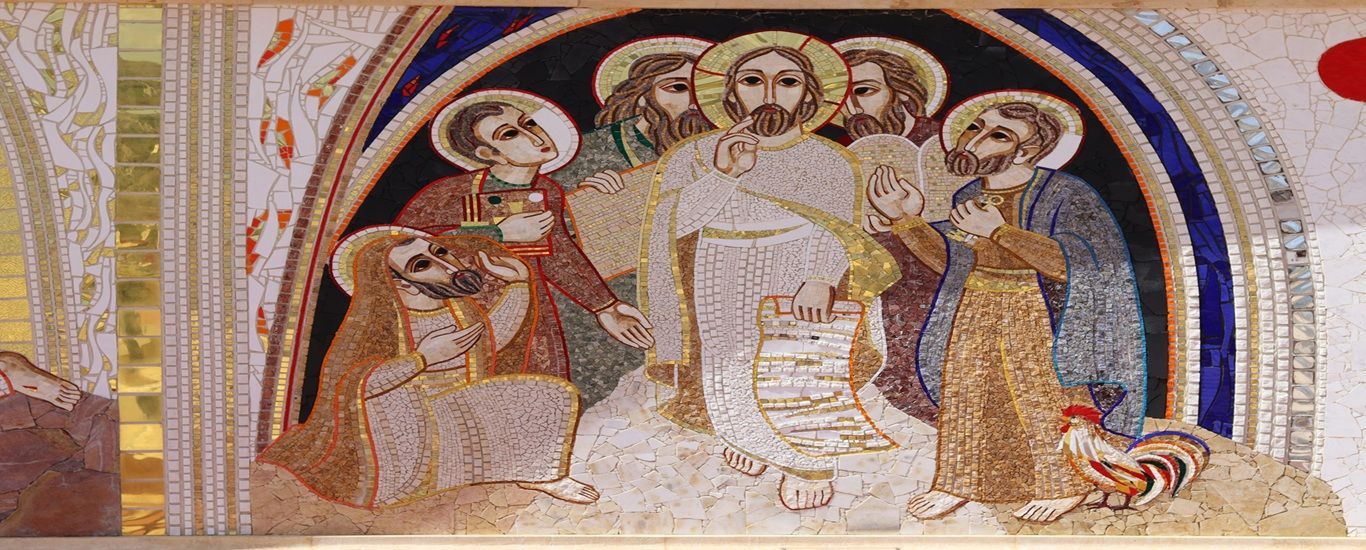
We are blessed in our country to be able to see the hills and the Blue Mountain range; this pulls us towards an appreciation of the goodness and infinite details of God’s creation. Psalm 121 makes a statement about the relationship between our eyes and the creation: “I will lift up my eyes to the hills. From where comes my help? My help comes from the Lord.” Although the popular notion of the day was that the gods resided in the mountain, the Psalmist declares that his help comes from God, the maker of the mountains. In the Bible, mountains are often the places where God encounters people, changes their lives, and sends them back down to the world with a prophetic message. The posture of lifting the eyes demonstrates a nearness to God and a place to experience solitude. Henri Nouwen defines solitude as being with God and God alone, and the mountain top offers the perfect ambiance. For him, it is important to be with God on the mountain top because it is the place in which you can listen to the voice of one who calls you the beloved. Listening to the voice in solitude affords us the opportunity to allow the voice to speak to the centre of our being. Listening to the voice requires our silence. There is a strong view that without silence, the word spoken, which permeates the centre of our being, can never bear fruit. Today, our gospel invites us to focus on the Transfiguration. The series of activities of the transfiguration narrative end with an affirmation of God’s love for his Son. In the end, the disciples saw Jesus alone, having previously witnessed Moses and Elijah in conversation with Jesus. The mountain facilitates the revelation of God’s glory; however, the disciples had to find place in the unpredictable real world to experience their solitude and constantly hear that they are loved by God and empowered for service.
Interestingly, the story of the Transfiguration precedes the liturgical season of Lent, where the church invites its members to prioritize time spent in solitude and silence as we live out our lives as Christian stewards, choosing a way of love rather than power and control. Nouwen makes a disturbing observation: the long, painful history of the church is the history of people, over and over, tending to choose power over love and control over the cross. In practicing God’s love, we are enveloped in His Grace to love and serve others.
As we celebrate the impact of the Transfiguration and prepare for the season of Lent, let us, through our disciplines and the solitude of silence, practise compelling love rather than compelling power. Engagement in the spiritual disciplines, according to Nouwen, requires us to make “the effort to create some space in which God can act.” Consequently, compelling things can happen. Beloved, let us remember that we are loved lavishly by our God, who calls us to live a life of love and service.
Dss Elaine Cunningham