The Great Commission: Making Disciples
FIRST SUNDAY AFTER PENTECOST
My Brothers and Sisters,
In today’s reading from Matthew’s Gospel, Jesus charges the eleven disciples to “… make disciples of all nations, baptizing them in the name of the Father and of the Son and of the Holy Spirit”. Called “The Great Commission”, it represents Jesus’ final instructions to his disciples.
The eleven were not only to be his disciples, but they were instructed to make disciples, and they were to do so by baptizing in the name of the Father, Son and Holy Spirit.
What does it mean for us “to make disciples”?
The Anglican Communion has five marks of mission which it considers to be the foundational framework which defines its common commitment to God’s mission. Two of these marks are:
1. To proclaim the Good News of the Kingdom: Sharing the message of God's love and salvation through Jesus Christ, and
2. To teach, baptize and nurture new believers: Incorporating persons into the body of Christ and supporting these disciples as they grow in their Christian faith.
I believe that these two marks of mission capture the essence of what it means to “make disciples”.
Making disciples means bringing persons into “the school of Jesus”, a lifelong journey of growing into the likeness of Jesus Christ; and in that school of Jesus, personal change is at the heart of learning -Change in your relationship with God, change in your relationship
with others and change in your relationship with self. In that school of disciples:
We proclaim the gospel
We baptize in the name of the Father Son and Holy Spirit.
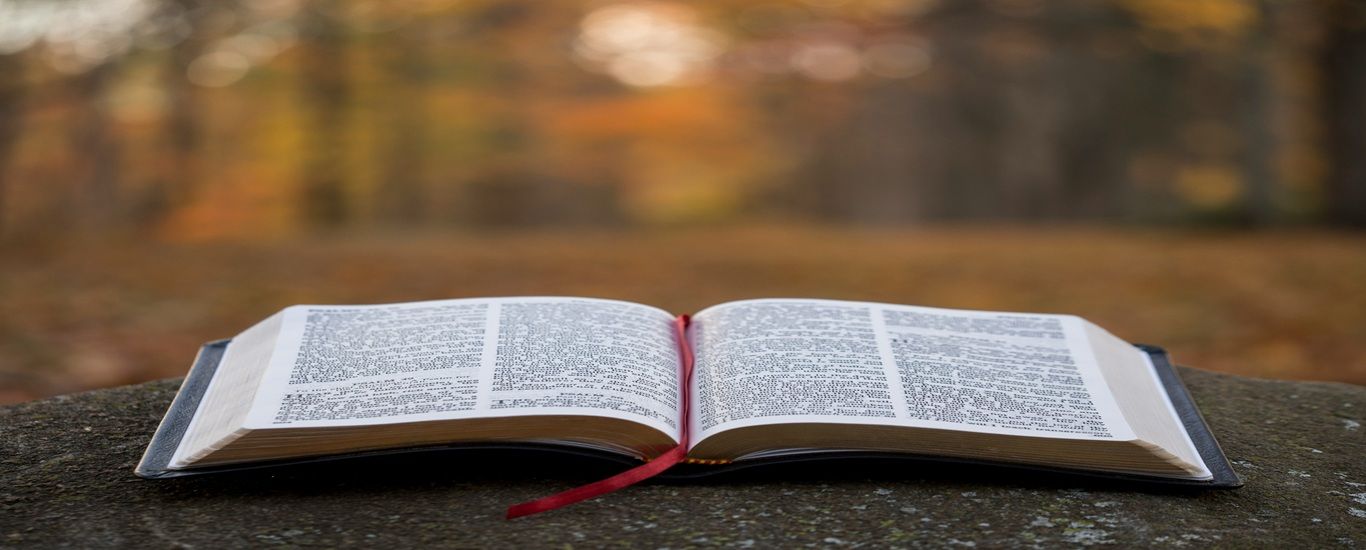
We teach and we nurture Discipleship is not only about bringing persons to follow Jesus Christ, but it is also about helping each other grow in Christ. One thing is certain: there can be no discipleship without the Bible. So, if we are to make disciples, then personal reading and reflection on the Scriptures must become foundational to who we are as disciples of Christ.
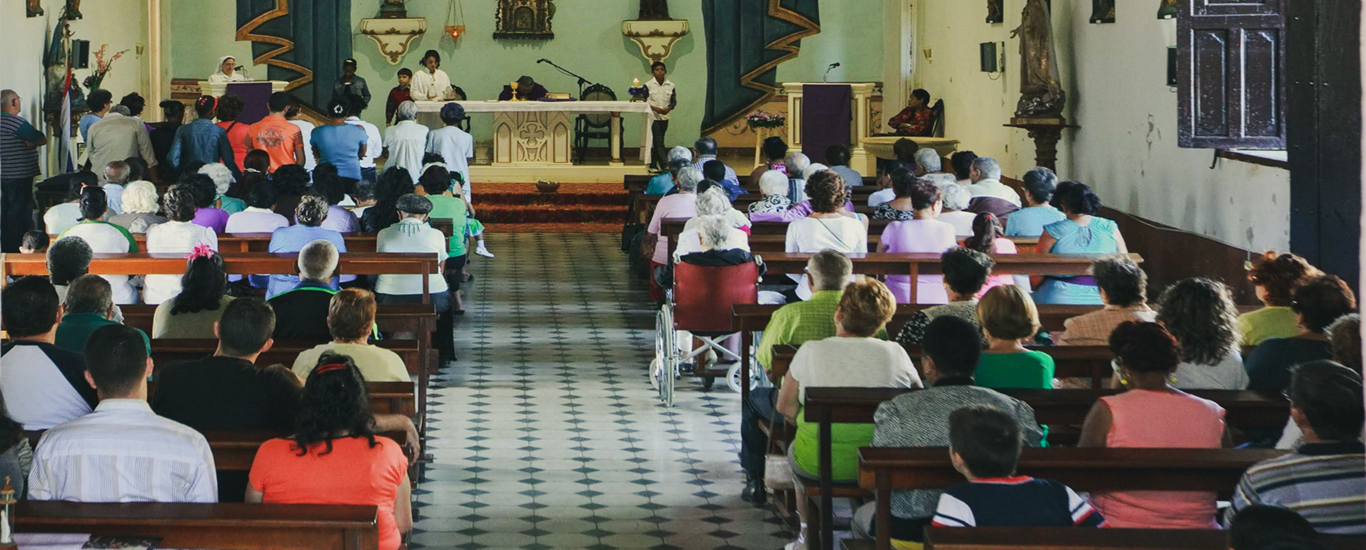
The other aspect of making disciples, is baptizing new believers with the Trinitarian formula (Father, Son and Holy Spirit). This implies that these new disciples are incorporated into a community that acknowledges a diverse and relational Godhead. The relationship of love that exists between the three persons in the Godhead is meant to be reflected among ourselves and all persons created in God’s image. That relationship of love is demonstrated in the way that God relates to us as parent, sibling, and creative force, as Creator, Redeemer and Sanctifier to mention just a few.
This Trinity Sunday then, we are reminded of the diversity that exists in the Godhead, which is perhaps why the mission to make disciples must be carried out among the diversity of nations, all people everywhere, no matter status, class, ethnicity or culture. You and I, in our corner of the world of nations, are the instruments which the Trinity uses to make disciples. We ought to take that task seriously. Jesus’ commission to his disciples in today’s gospel reading was not said in jest. It is a task to be undertaken by all of us who call ourselves disciples of Christ. We want to grow to be model disciple-makers in our part of God’s vineyard.
As we undertake this task, we must periodically take stock of ourselves and assess how well we are doing. We must honestly reflect on how effective we have been at making disciples, and how effective we have been at, not only proclaiming the gospel, but bringing persons to baptism, and teaching and nurturing new believers. Do we need to improve? Do we need to go back to basics?
I trust and pray that today’s reading, and our time of fellowship together, will encourage us to reflect on how we can creatively make disciples - how we can bring others into a life-transforming relationship with Jesus Christ.
Have a Blessed Week!
Peter